

The House Edge: An Inherent Advantage
The concept of the house edge is fundamental to understanding casino gambling. This edge represents the mathematical advantage that casinos maintain over players across various games. For instance, in games like roulette, the presence of the zero (or double zero) ensures that the payouts do not fully compensate for the risks involved, which guarantees that the casino consistently profits over the long run. Players may find that exploring options such as the best online pokies can provide a different experience, but essentially, every game is meticulously designed to favor the house, making it nearly impossible for players to achieve a long-term winning streak against the established odds.
Many players operate under the illusion that they can overcome this edge through strategies or betting systems. However, these methods often fail to consider the fundamental truth of probability and randomness inherent in casino games. For example, while some may believe that they can predict when a roulette wheel will land on red or black, each spin is an independent event, entirely unaffected by previous outcomes. This randomness makes such strategies largely ineffective, underscoring the futility of attempting to outsmart the house.
As a result, the house edge serves as a stark reminder that while luck may play a role in short-term victories, the odds are stacked against players in the long run. Understanding this concept is crucial for anyone engaging in gambling activities, as it fosters a more informed approach—one that recognizes the inherent limitations in trying to beat the house consistently. Awareness of the house edge can help players manage their expectations and enjoy the experience without falling into costly misconceptions.
The Myth of Skill-Based Games
Another prevalent myth surrounding gambling is the belief that skill-based games can be mastered to the extent that players can consistently beat the house. Games like poker and blackjack are often touted as skill-oriented, leading some to think that a deep understanding and strategic play can tip the odds in their favor. While it is true that these games do involve a certain level of strategy, the reality is that even the most skilled players cannot eliminate the house edge entirely, as luck remains a significant factor.
In poker, for instance, while skilled players can certainly win more than novices over time, they still face the fundamental challenge of variance. A strong hand can be defeated by an unexpected turn of cards, showcasing the unpredictability that even the most seasoned players must contend with. Similarly, blackjack players may employ techniques like card counting to gain an advantage, but casinos are well aware of this strategy and implement measures to counter it, such as shuffling more frequently or using multiple decks to dilute the player’s advantage.

Ultimately, the myth that one can consistently beat the house through skill is misleading. While players may improve their chances in certain scenarios and enjoy the game more fully, they must also accept that luck plays a significant role in the outcome. Recognizing this balance between skill and chance is crucial for maintaining realistic expectations and enjoying the experience without falling prey to false hopes. Players should approach these games with a mix of enthusiasm and caution, understanding the limits of their control.
The Gambling Addiction Myth
One of the most pervasive myths surrounding casino gambling is the belief that addiction is the norm for all who gamble. While it is true that some individuals may develop problematic gambling behaviors, the majority of players engage in gambling as a form of entertainment rather than a compulsive pursuit. The stereotype of an addicted gambler often overshadows the reality that millions of people enjoy casino activities responsibly and without issues. This misrepresentation can perpetuate stigma and misunderstanding surrounding the gambling community.
This myth can lead many to avoid casinos altogether or feel guilt about their gambling habits, fearing they will fall into addiction. It is essential to distinguish between casual gamblers, who enjoy gaming as a fun pastime, and those who struggle with compulsive gambling. Responsible gambling practices, such as setting budgets, taking breaks, and recognizing when to stop, can help individuals enjoy gaming without falling into the pitfalls of addiction. Education and awareness are key factors in maintaining this distinction.
Furthermore, awareness and education about gambling addiction are crucial in promoting healthier attitudes toward gambling. Many casinos and gaming establishments provide resources and support for individuals who may be at risk of developing gambling problems. This proactive approach can help demystify gambling addiction and encourage players to engage in the activity responsibly and sustainably, ensuring that the enjoyment of gaming remains intact without the shadow of addiction looming over it.
The Lucky Charm Fallacy
The belief in lucky charms is a common myth among casino-goers. Many players hold onto the notion that certain items, rituals, or superstitions can influence the outcome of their games. Whether it’s a specific piece of clothing, a lucky coin, or even a special handshake, some gamblers invest emotional weight into these objects, believing they can sway luck in their favor. However, this mindset can often lead to a misguided approach to gambling, where players rely on superstition instead of strategy.
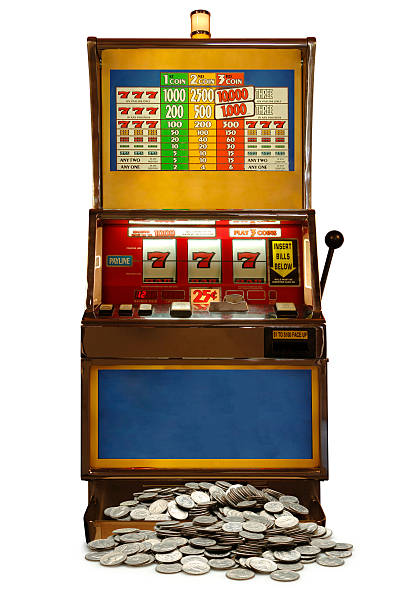
In reality, games in casinos operate on principles of chance and mathematics, which remain completely unaffected by personal beliefs or superstitions. For example, a player might perform a ritual of spinning three times before placing a bet, but this behavior does not alter the odds of the game. Such practices may provide psychological comfort, but they lack any real influence on game outcomes. By focusing on these myths, players may overlook the essential aspect of understanding the game mechanics and the odds involved.
Ultimately, relying on lucky charms or superstitions can detract from a player’s enjoyment of the game. Emphasizing skill, strategy, and, most importantly, understanding the inherent risks of gambling is a more productive outlook. By separating personal beliefs from the realities of chance, players can engage more fully in the gaming experience, armed with knowledge rather than superstition. This clarity encourages a healthier approach to gaming, where enjoyment is derived from skillful play rather than misguided beliefs.
Understanding Responsible Gambling Practices
In our exploration of casino gambling myths, understanding responsible gambling practices is crucial. Players should arm themselves with knowledge about the games they choose and remain aware of their limits. This not only enhances their gaming experience but also minimizes the risks associated with gambling. Responsible gambling means having the discipline to set limits on time and money spent, ensuring that gaming remains an enjoyable activity rather than a source of stress or anxiety.
Additionally, various resources are available through casinos and online platforms to promote responsible gambling. Many establishments offer self-exclusion programs, informational materials, and access to support services for individuals who may need help. Awareness campaigns emphasize the importance of playing responsibly and recognizing when gambling has crossed into a hazardous territory. This proactive approach can significantly enhance the gaming experience.
Ultimately, fostering a healthy relationship with gambling hinges on education and accountability. By adhering to responsible gambling practices, players can enjoy the thrill of the game while protecting themselves from the pitfalls of potential gambling addiction. Understanding one’s limits and embracing the entertainment aspects of gambling can ensure that it remains an enjoyable and safe form of leisure, allowing individuals to engage in gaming as a fun and recreational activity rather than a harmful obsession.